
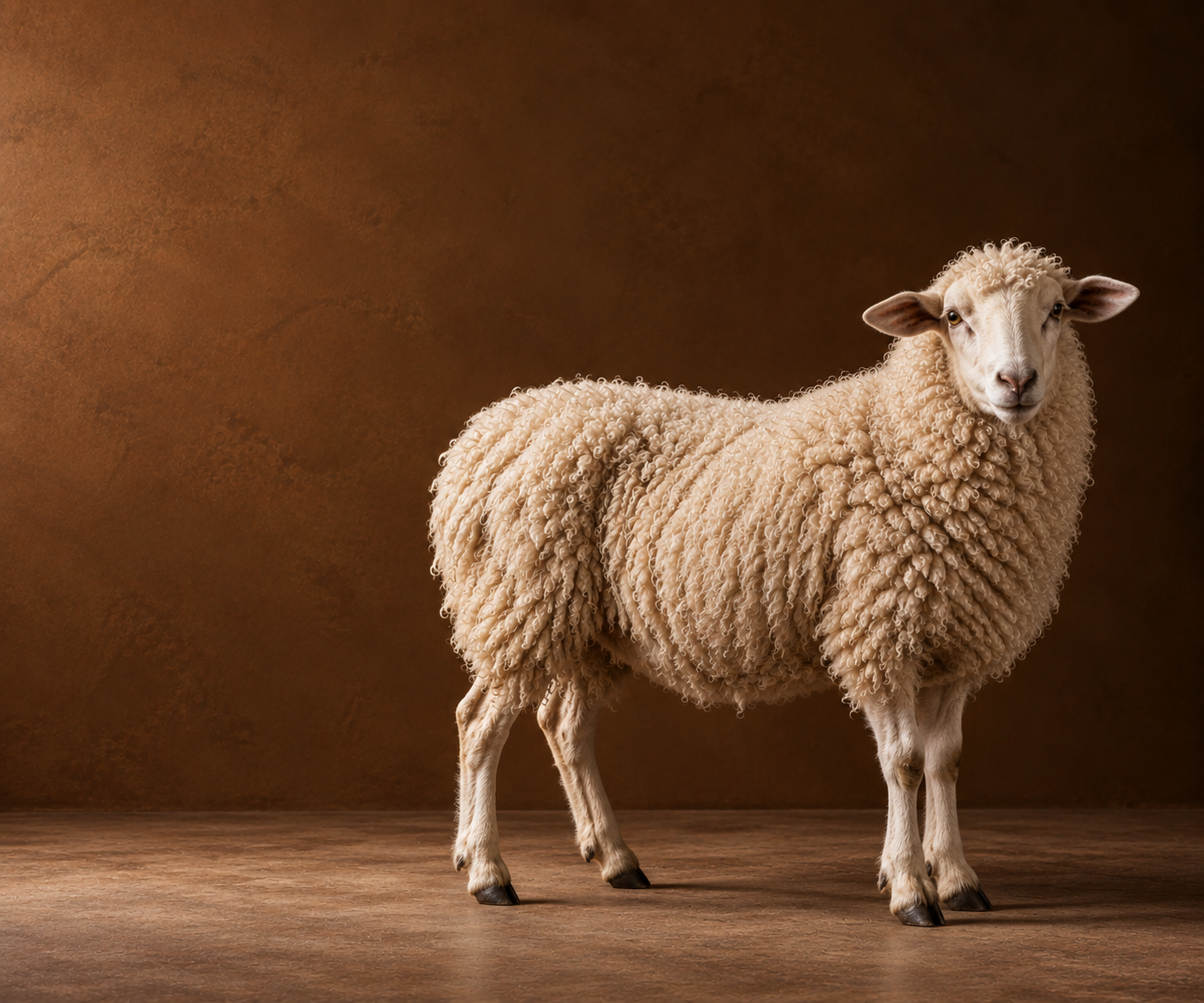
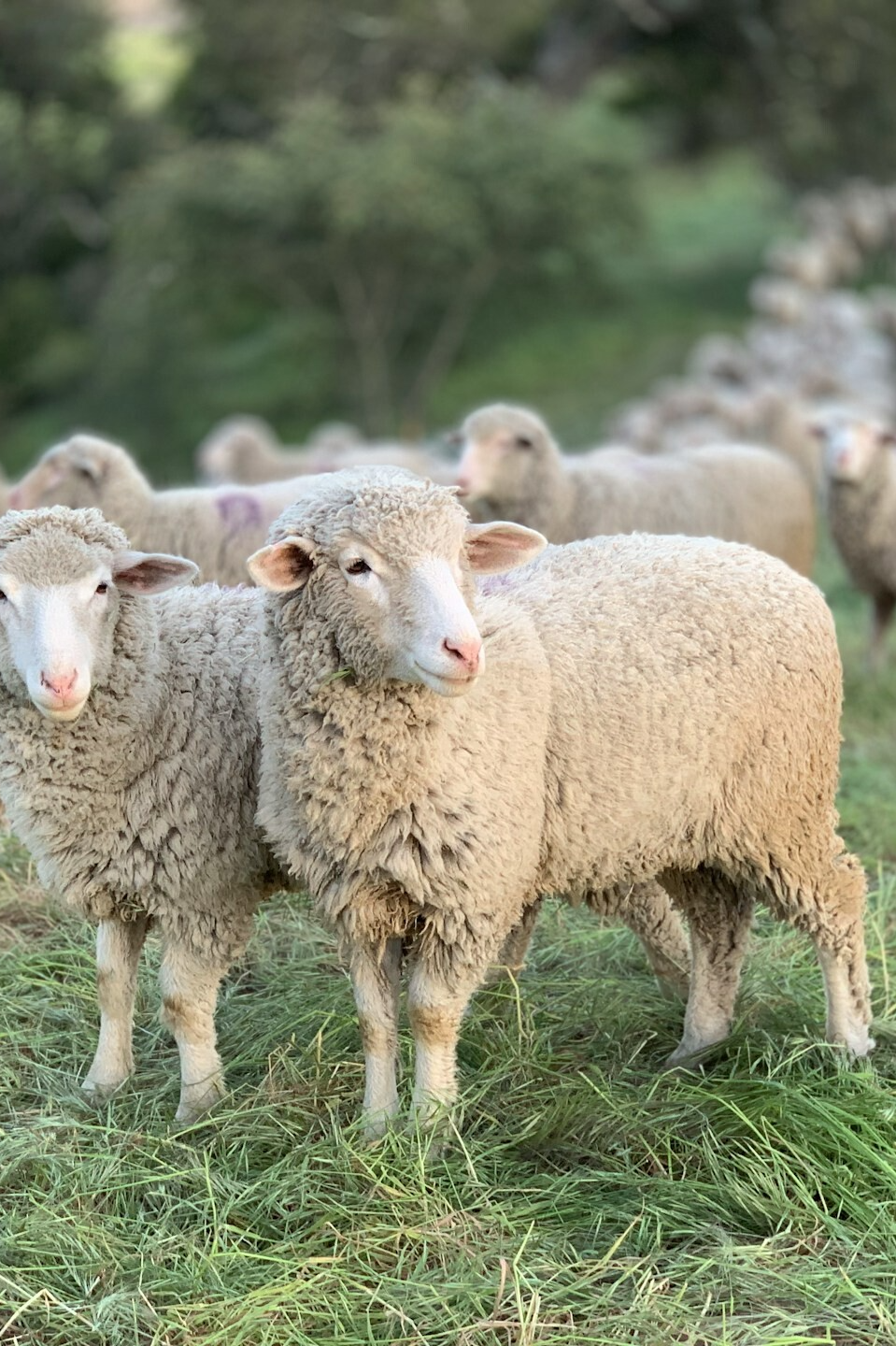
Merino is a breed of sheep originating from southern Portugal. The breed is the result of the evolution of merina specimens that at the beginning of the 20th century existed in the south of Portugal where black animals predominated.
Wool production motivated crossings with improved breeds such as the early merino (French breed developed from the Merino de (Rambouillet). Currently the breed has its largest production in Australia and New Zealand.
The benefits of Merino wool
Antibacterial properties
Sweat less, smell better. Merino wool actually blocks odor molecules, which are only released when washed.
Merino wool absorbs moisture, keeping it away from our skin. It also keeps us warm even when wet, which makes it a very popular choice for skiing and other winter sports.

Fluffy and Velvety
Unlike other wools, merino is very velvety and soft to the touch, which means it is not irritating and itchy like other wools. It is very light and at the same time cozy.
Hard
Whatever is designed to withstand the extreme conditions of mountain climates, it is also sure to be tough and built to last. In addition to merino wool being very resistant, it also always maintains its integrity and shape due to the elasticity of the fibers that make it up.
Sustainable
Natural, biodegradable and reusable. The ecological credentials of merino wool are also something special (although for ethical reasons, we should always try to discover its origin, due to the poor extraction practices of this type of wool by some producers).
Merino Wool
Discover the special characteristics that make merino wool the best option.
Anyone who thinks that because it is wool, merino is only suitable for winter is mistaken. Merino sheep live in places with great thermal variation. Thus, they naturally adapt to strong heat and also to harsh winters. This ability passes to wool and, consequently, to products made from this raw material, which provide heating in winter and ventilation in summer.
One of the great differences of merino wool is its enormous potential to control body moisture. Natural fibers have the power to absorb sweat, transporting it to the outside of the fabric. This way, the skin is always dry and sweat evaporates much faster.
Merino fiber is able to retain up to 30% of its own weight in moisture and still maintain a dry feel. To give you an idea, in synthetic fabrics this capacity is, on average, 7%.
When it comes to thermal insulation, air itself can be an excellent tool and wool can retain this “dead air” between its fibers, better protecting and retaining your own body heat.
Wool fibers are quite complex, just like the human body. To give you an idea, they are basically made up of molecules of a protein known as keratin, which is also present in our own skin and hair strands. This means that wool fiber has an extreme ability to be bent, flexed and stretched in any direction for 30,000 times or more, giving clothes much more strength and stability.
Wool is a fiber often associated with itching. But when it comes to merino the story is very different. This wool specifically has fibers with a much smaller diameter. Because of this, they are also much more flexible and soft, perfect for people with sensitive skin. Merino wool is extremely soft to the touch and does not itch, providing maximum comfort to the wearer.
During high-intensity physical activities, body temperature rises and sweating is inevitable. In addition to keeping the skin dry at all times, another natural ability of merino wool is the control of bacteria and, consequently, odors. Because of this, it can go days without washing and without smelling. This versatility makes merino wool the perfect option to accompany you on long trails, running events that last several days, high-intensity activities and any day-to-day commitment.
In addition to all the benefits already mentioned, merino wool is extremely comfortable, so that during physical activities you can only focus on your own performance, without worrying about any distractions or discomfort caused by your clothes.



Secure and guaranteed payments using SSL protocol.